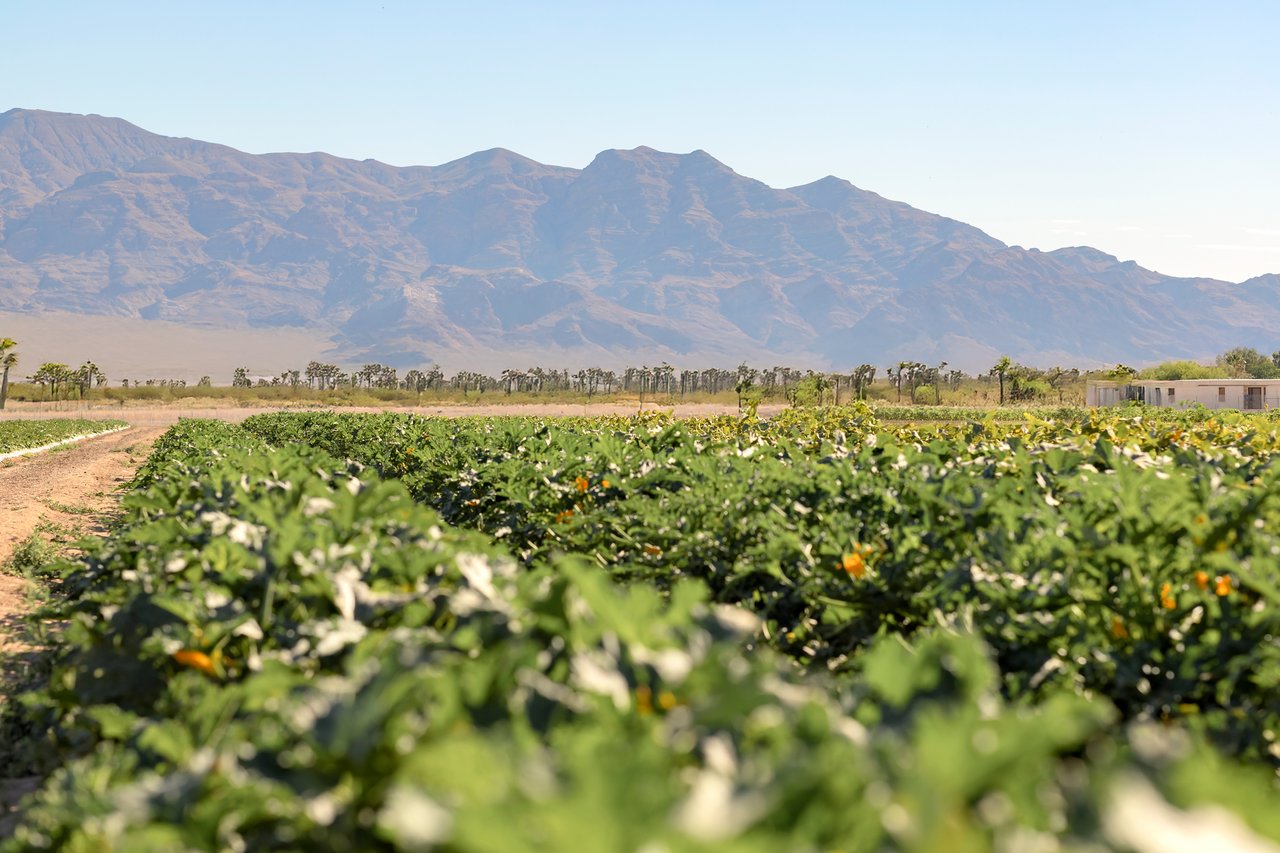
Did you know that much of the organic produce on California’s tables grows not in California at all, but across the border. Would you believe that it grows in the sun-bleached valleys of Baja and much of the organics come from Baja Sur?
It’s one of those quiet truths hiding in plain sight. The fertile micro-climates of Baja California’s west coast— nourished by Pacific fog, mineral-rich soil, and centuries of agricultural knowledge — supply a remarkable share of the organic fruits and vegetables that stock the shelves of Whole Foods, the farmers markets of Los Angeles, and the meal-kit boxes landing on doorsteps across the American West. Tomates, pepinos, hierbas. Grown here. Eaten there.
For a long time, Baja’s valleys existed in a kind of beautiful obscurity. Remote enough to be left alone. Wild enough to stay themselves.
That changed the 90’s but most are just now seeing it.
The Irony No One Talks About
Word has gotten out. And with it has come a wave of foreign buyers — Americans, Canadians, Europeans — drawn by the landscape’s raw beauty, the favorable exchange rate, and a growing hunger for something that feels real. Authentic. Off the grid yet connected.
The irony is almost painful: the very people who love Baja’s farmland wildness are, in loving it, threatening to erase it.
As farm parcels get carved up and sold off — often to well-meaning buyers with the best of intentions — the open valleys that produce so much of what we call “California organic” begin to disappear. Small agricultural communities feel the pressure. Traditional land relationships fray. And the ecosystem that made Baja’s soil so remarkable in the first place quietly loses ground.
It happens slowly, slowly and then all at once.
Baja California Sur: The Peninsula’s Best Kept Secret
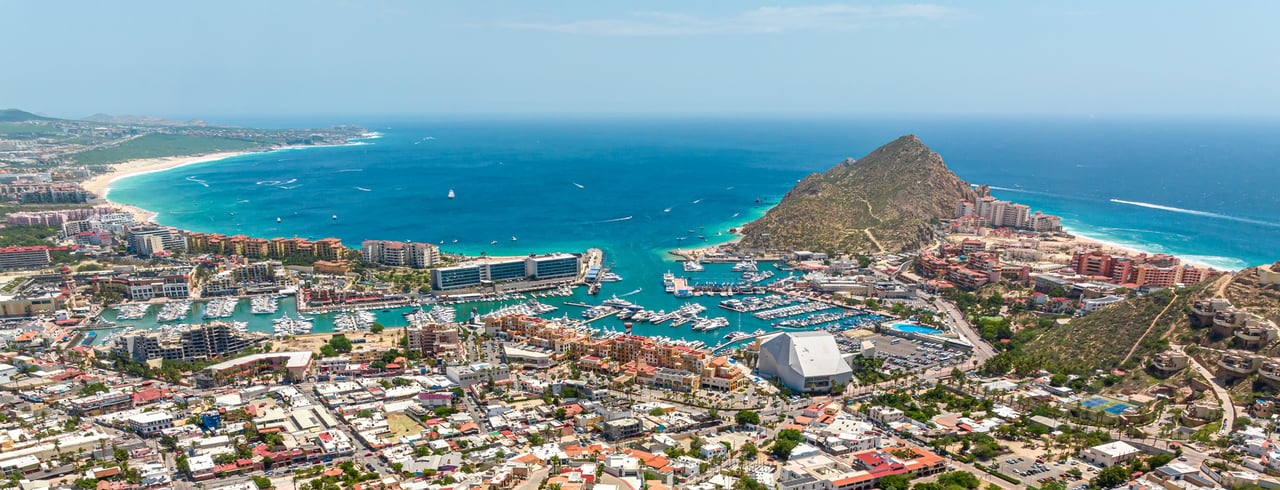
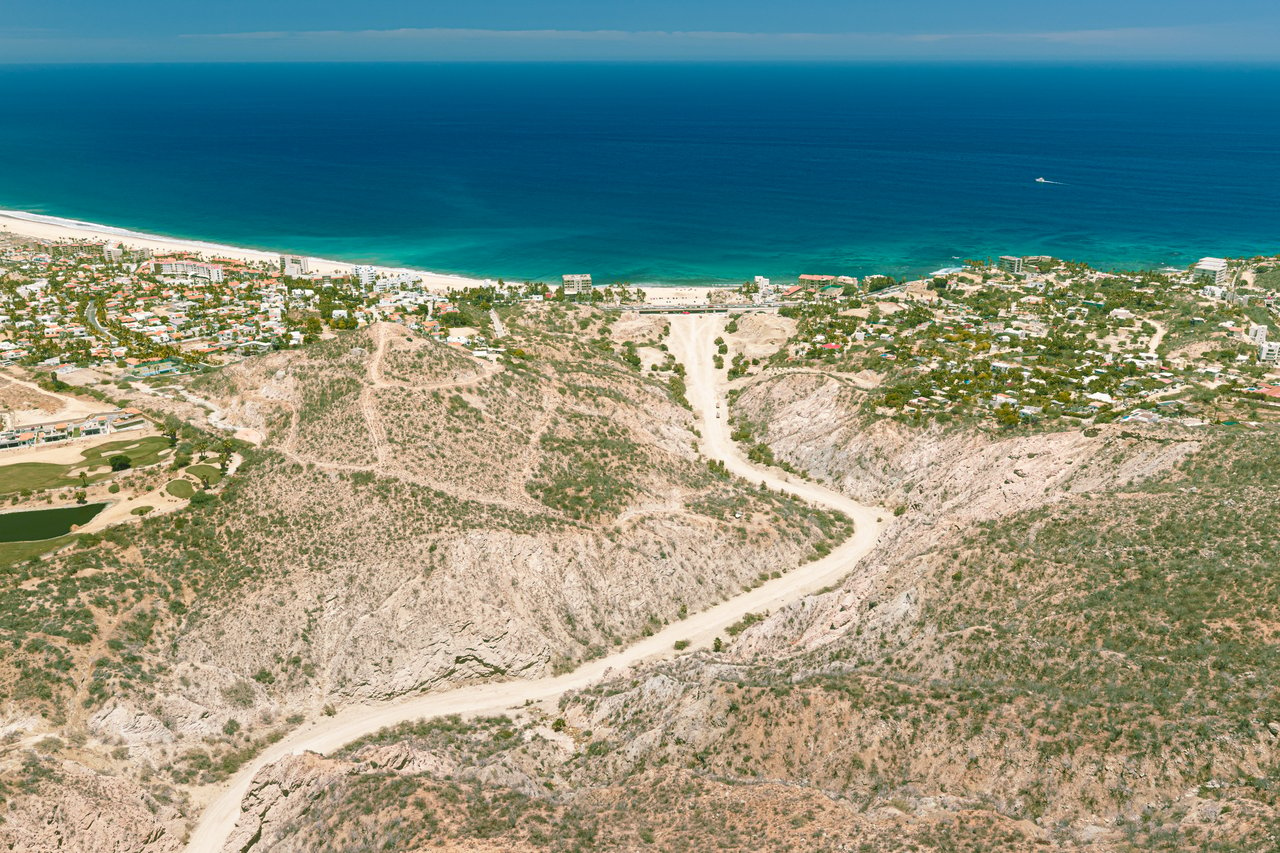
Baja California Sur is, by almost any measure, one of the most unlikely places on earth. Where else can you ride single-track mountain trails in the morning, surf a Pacific point break by noon, and sit down to a farm-grown dinner under a sky full of stars by evening — all within the same handful of miles? The Sierra de la Laguna mountains rise dramatically from a desert floor that meets two different seas, and somehow, improbably, agriculture flourishes here too — nourished by underground springs, crisp Pacific currents, and a tradition of land stewardship that goes back generations.
Owning property here is not just a real estate decision. It is a lifestyle decision of a very particular kind — one that most places in the world simply cannot offer.
The small town of Todos Santos, a 45-minute drive up the Pacific coast, has long been a gathering point for artists, writers, and people who needed to slow down enough to make something. Its galleries, studios, and colonial architecture have earned it UNESCO Pueblo Mágico status, and its creative community gives the whole region a cultural richness that surprises first-time visitors. This is not a resort town. It is a real place, with real people making real things.
Just south of Todos Santos, El Pescadero has quietly become something else entirely — an epicenter of wellness, retreat culture, and conscious living. Yoga shalas, meditation centers, and boutique retreat spaces have taken root here alongside surf camps and family farms. It draws the kind of people who are looking not just for a beautiful place, but for a place that supports a better way of living.
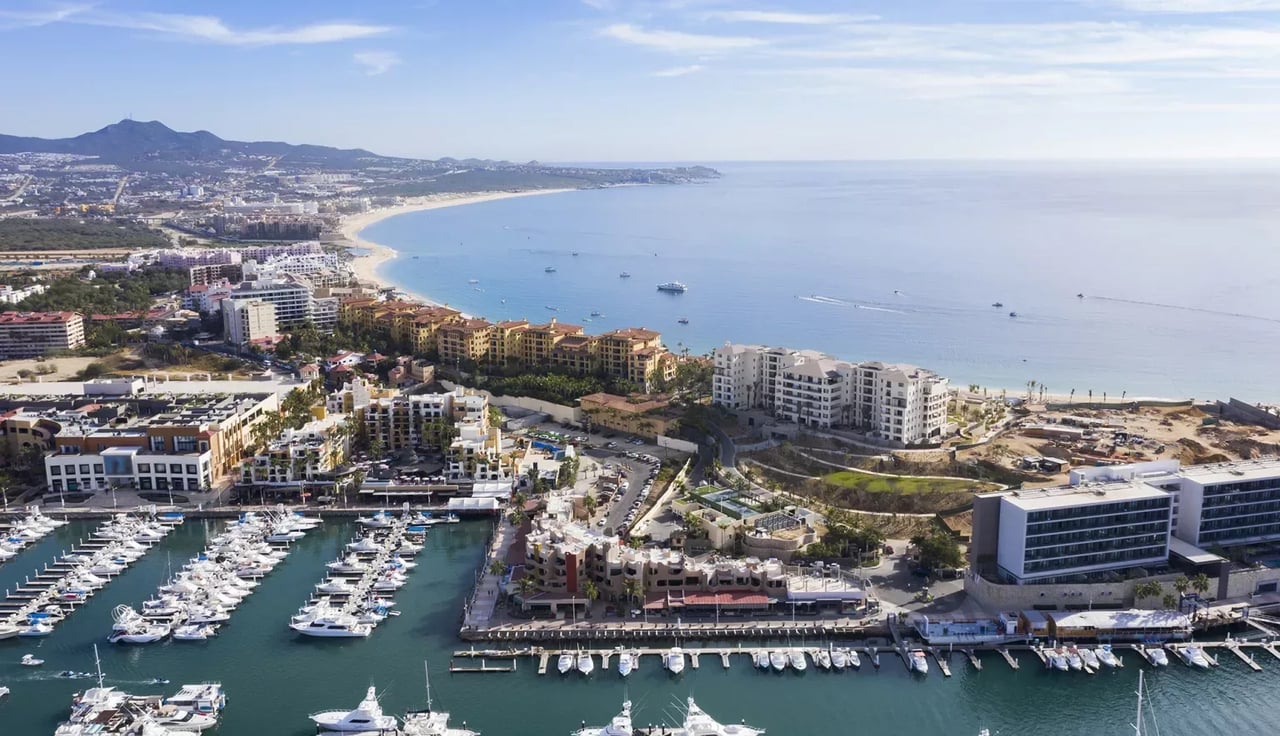
The farms are part of that story too. Not all opportunities are the same. While buyers are able to buy one off properties which have been carved from a larger farm some developers are taking a different approach: Flora’s Farm in San José del Cabo has pioneered the idea of the working farm as a gathering place — where people come to eat, to learn, and to reconnect with where food actually comes from. In Pescadero, Baja Sage -which sold out pre construction- and the Palm Orchard -which has set records for the prices its lots command- is another expression of this ethos: a working landscape that feeds the community around it and holds the land in a way that development simply cannot.
These places exist. They are thriving. And they are showing what is possible when people choose to invest in land as a living system rather than a commodity.
A Different Way to Own a Piece of It
What if there were a way to belong to this land without diminishing it?
That question is at the heart of a new generation of farm-centric communities and conservation land trusts taking root in Baja. The idea is elegant in its simplicity: rather than subdividing the land into isolated private parcels, these projects bring people together around the land — as stewards, as participants, as neighbors in the truest sense.
Residents grow food, or live alongside those who do. Water is managed collectively. Open land stays open. And the community itself becomes a kind of living conservation strategy — because when people are genuinely connected to a place, they protect it.
More aligned alternatives.
Baja Sage, Salara, Huerto Hermoso and Casa Damara are some expressions of exactly this vision.
Baja Sage is rooted in the agricultural heart of the peninsula — a community designed around the rhythms of the land, where residents share in the bounty of working farms and the quiet satisfaction of knowing where their food comes from. It’s a place for people who want more than a vacation home. Who want a life with soil in it.
Salara has nearly sold out offering an elevated design sense reminiscent of Careyes but with a desert vibe and their farm to table approach is beautifully aligned with the ethos of preservations.
Casa Damara offers something equally rare: a sanctuary for families where thoughtful design meets deep regenerative ecological intention. Here, the architecture doesn’t fight the desert — it listens to it. And the community that gathers here does the same.
Huerto Hermoso has created an agricultural ‘central core’ surrounded by their lots which bring every owner in contact with the farm lineage of Pescadero.
These projects sit within a larger framework of conservation — ensuring that as people come, the land doesn’t go.
An Invitation
If you’ve ever looked at Baja and felt something — that pull toward open space, toward simplicity, toward a life a little more connected to where things actually come from — this is worth paying attention to.
The window to be part of something like this, before it becomes what everyone else discovers, is always smaller than it seems.
I’d love to tell you more. Reach out, and let’s talk about what’s possible.
Juan Díaz Rivera / My Profile
Have more questions or comments? Reach out to us at [email protected]