Los Cabos has always attracted people searching for an elevated lifestyle.
But lately, something feels different.
The endless party weekends and tourist clichés still exist — they always will — but the energy of the destination is shifting. The community here knows exactly what it wants, and where it’s heading.
I don’t know if it’s a change of vice, but people are replacing excess with optimization.
I’ve seen everything lately: a converted yellow school bus turned into an infrared sauna, sunrise coffee raves replacing late-night parties, sound healing ceremonies on luxury rooftops, guided breathwork sessions in the middle of the desert, ice plunges overlooking the Pacific, free diving retreats, neuro-hacking conversations during dinner, and recovery-focused hospitality concepts appearing across the region.
Every experience becomes a brand. Every brand is looking for investors.
Why?
Because the global wellness economy is no longer about relaxation.
It is about performance.
The Global Wellness Institute estimates the wellness economy reached $6.8 trillion USD in 2024 and projects it to surpass $9 trillion before the end of the decade. Preventative health tourism alone continues growing at nearly 10% annually, while Mexico’s medical tourism market is projected to expand from approximately $2.1 billion USD in 2025 to over $10 billion USD within the next decade.
But perhaps the most important number for Los Cabos is not global — it is local.
According to data referenced by the Los Cabos Tourism Board, the destination generates approximately $7.7 billion USD annually in tourism-related economic activity, with nearly one third of that spending occurring outside traditional hotels through local commerce, transportation, experiences and increasingly, wellness-oriented services.
And the spending profile itself is changing.
The conventional tourist may come for vacation but the wellness-oriented traveler comes searching for optimization.
According to tourism and wellness reports tied to FITURCA, wellness-minded visitors in Los Cabos spend an estimated average of nearly $3,000 USD per stay, significantly above the profile of the traditional leisure traveler.
That distinction matters because wellness travelers rarely consume just one category.
They combine hospitality, food, recovery, movement, diagnostics, aesthetics, mindfulness and premium experiences into a single lifestyle ecosystem.
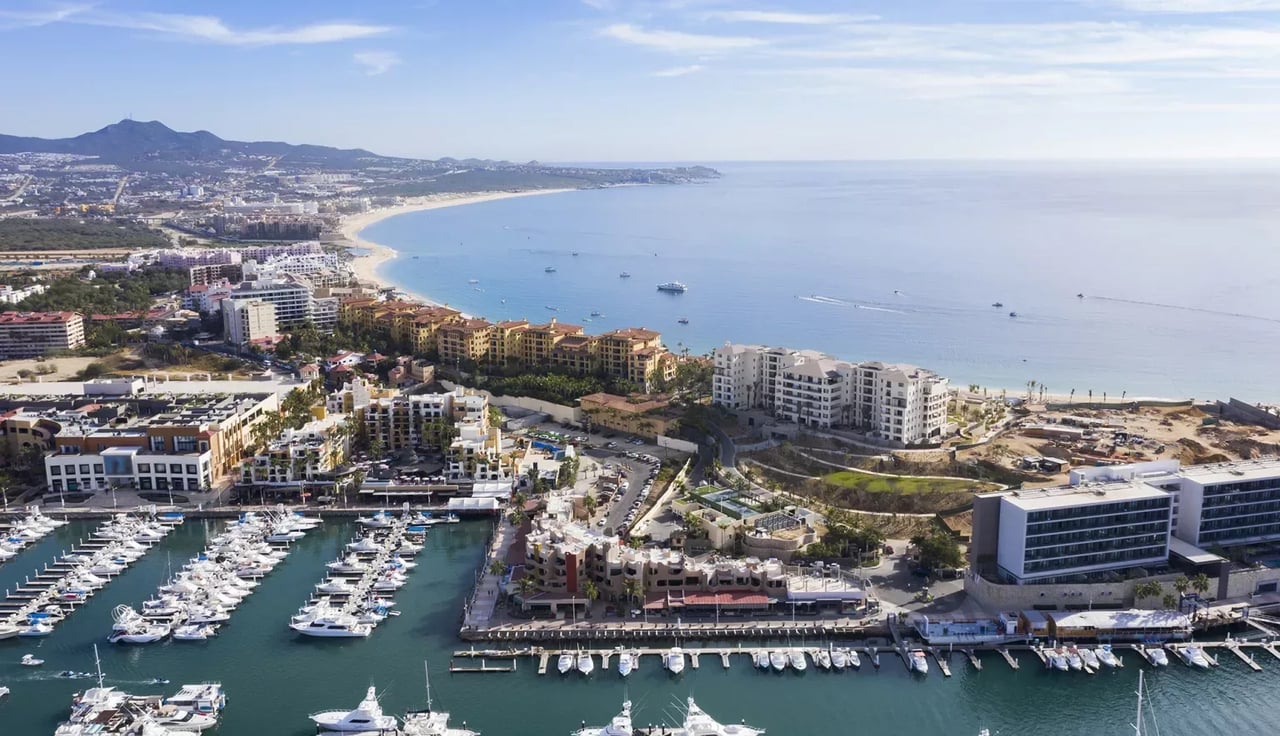
For years, the destination built its reputation around Hotel with ocean views, gastronomy, sport fishing, golf, luxury real estate and beach culture. But wellness is beginning to evolve into something much larger than spa menus and detox juices.
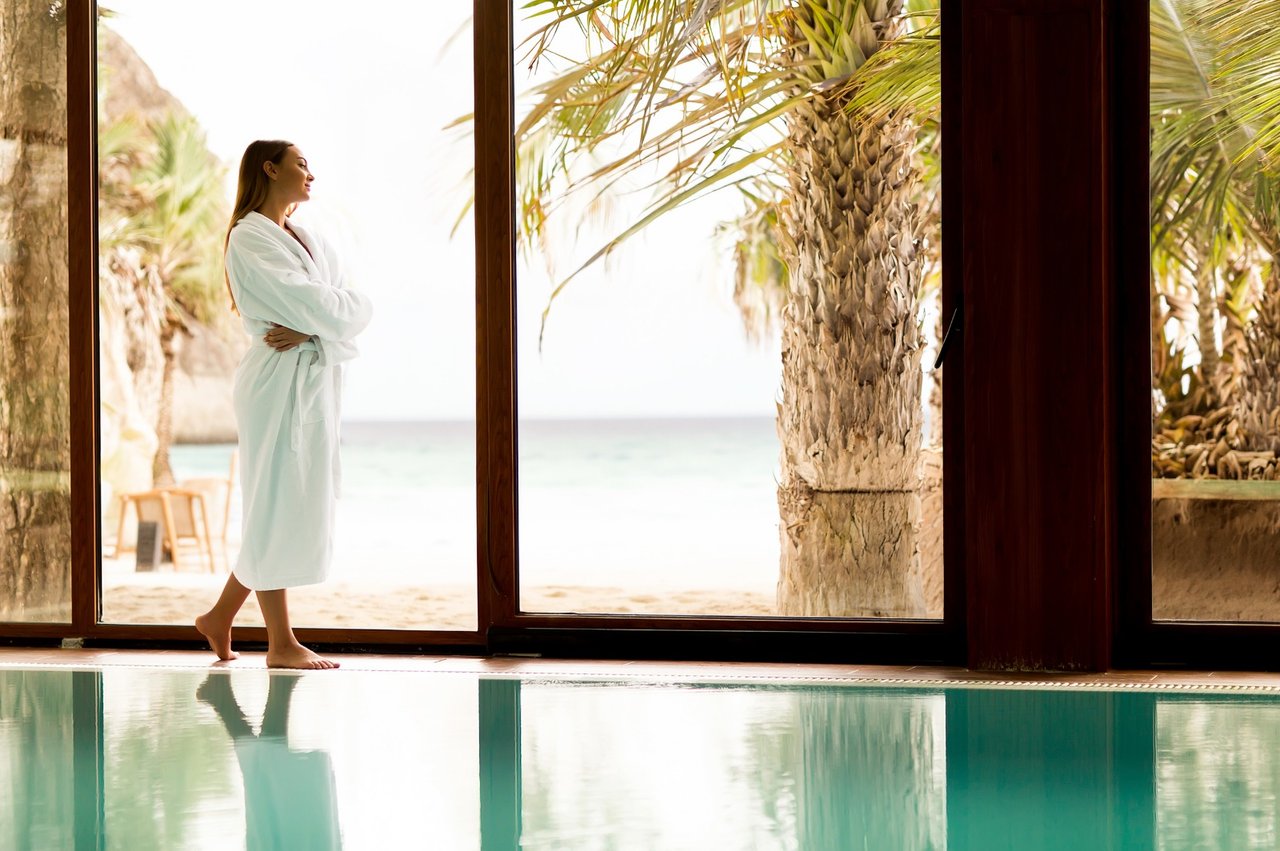
No longer about relaxation massages.
Yes fellows the game is changing; optimized sleep, circadian lighting systems, recovery-focused architecture, hormone regulation, stress reduction, preventative medicine, cellular regeneration and longevity-driven hospitality.
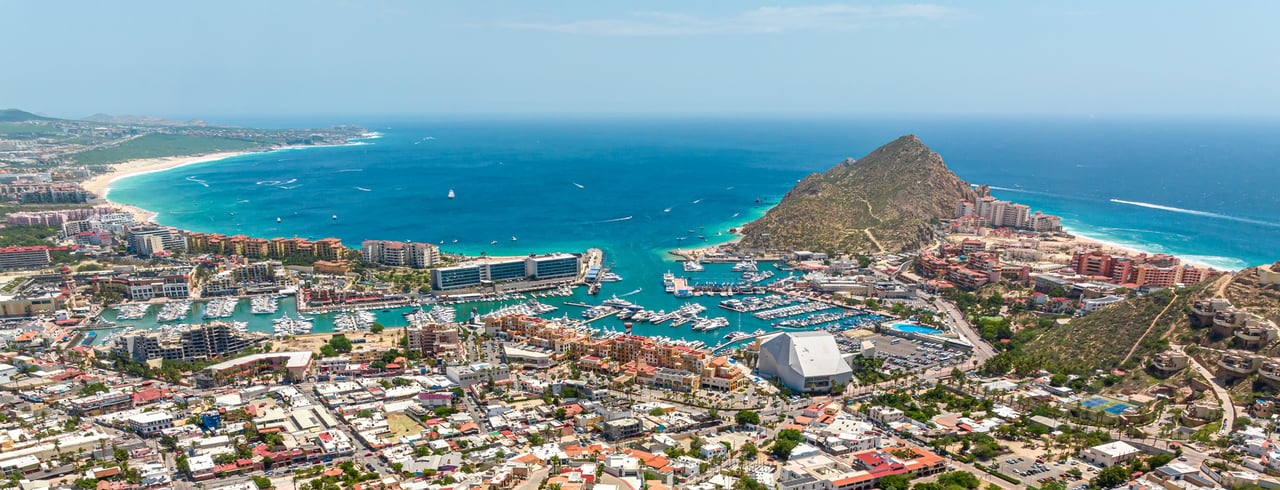
And unlike many city destinations now trying to manufacture wellness experiences artificially, Los Cabos already possesses the most difficult component to replicate: the environment itself.
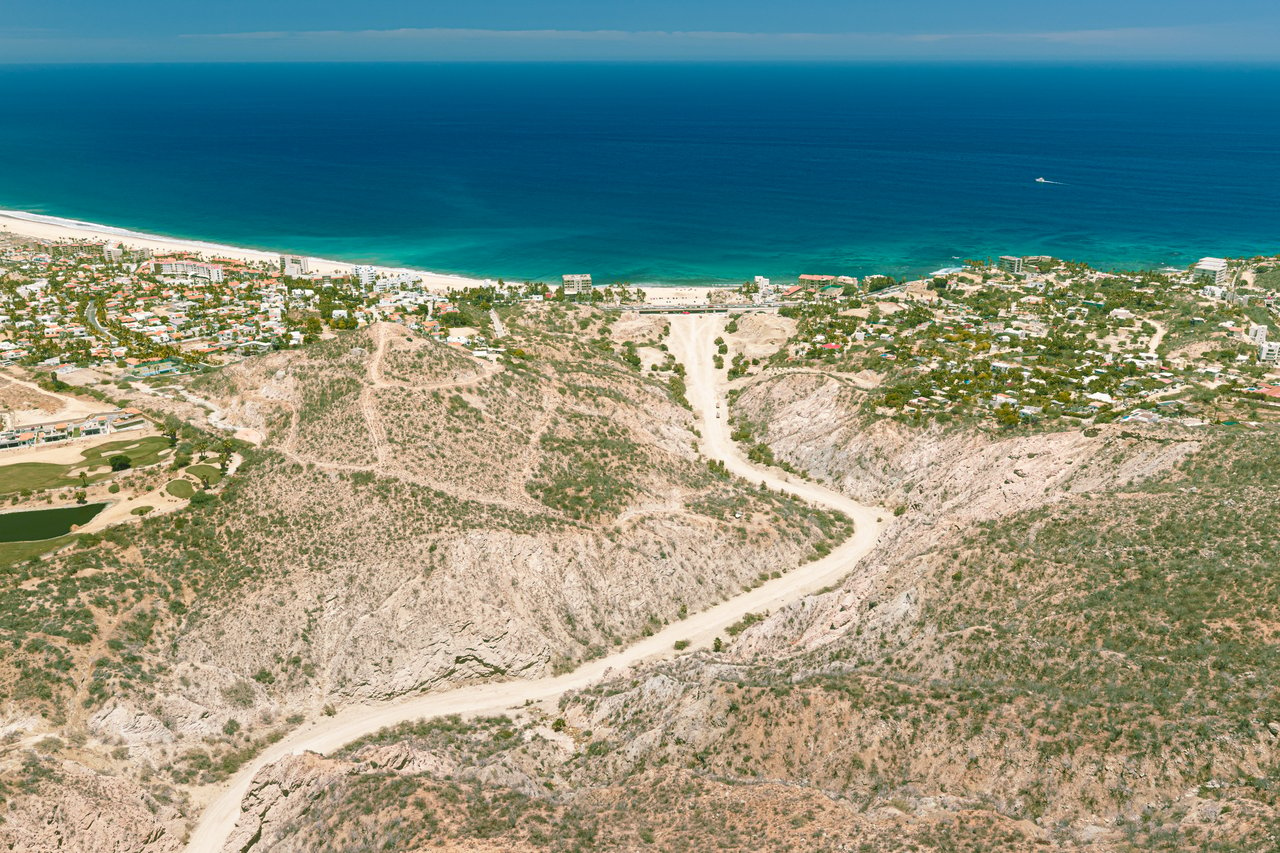
Low density. 350 days of sun per year. Ocean air. Natural isolation. Mountain and desert landscapes. Privacy. Silence.
Recovery works differently when the environment naturally lowers stress levels.
That advantage is already beginning to influence the region’s next generation of developments and consumers.
The same boomer generation that once spent hundreds of thousands of dollars in nightclubs — or “discos,” as they used to call them — is now investing heavily on maintaining the body instead.
And professional athletes are not far behind. They already understand that peak physical performance and long-term recovery may be some of the most valuable investments they can make.
The rest of the market tends to follow aspirational behavior over time. What begins as elite optimization eventually becomes mainstream consumer demand.
Projects like SIRO Palmilla are introducing a hospitality model centered entirely around human performance, integrating fitness, mindfulness, sleep optimization and recovery into ultra-luxury real estate.
At Palmilla, another example can already be seen through the evolution of Del Mar Development. Long recognized as one of the pioneers of ultra-luxury real estate in San José del Cabo, Del Mar’s newer residential concepts increasingly focus on wellness-oriented architecture designed to blur the line between indoor and outdoor living by using Baja California Sur’s natural sunlight as a biological tool rather than simply an aesthetic feature.
Their approach incorporates retractable walls, strategically shaded courtyards and advanced lighting automation systems intended to regulate light and darkness exposure throughout the day according to the body’s hormonal and circadian rhythms.
The architectural conversation is clearly evolving. Luxury is no longer being defined exclusively by marble finishes, square footage or ocean views.
Increasingly, luxury is becoming biological. The message is becoming increasingly clear: Los Cabos is not simply becoming a wellness destination. It is positioning itself as a longevity destination.
And that distinction matters. Because longevity tourism creates an entirely different economic ecosystem.
Visitors no longer arrive only searching for entertainment. They arrive searching for optimization, restoration and performance. The modern wellness traveler is often willing to spend significantly more, stay longer and integrate multiple services into a single experience: hospitality, diagnostics, recovery treatments, fitness protocols, aesthetic medicine, nutrition and mental wellness.
This opens a much larger business conversation for the region.
A wellness-oriented project no longer needs to function solely as residential real estate or hospitality. Increasingly, the most interesting opportunities may come from hybrid ecosystems combining luxury residences, boutique hospitality, medical suites, wellness-oriented retail and resort-style amenities inside the same development.
In practical terms, this could mean a visitor staying three nights in a luxury residence while completing anti-aging treatments, recovery therapies, diagnostics or regenerative protocols — all integrated into a seamless Cabo lifestyle experience.
Preventative health, recovery and longevity are beginning to integrate naturally into the travel experience itself.
The idea is no longer to interrupt life in order to seek medical care.
The idea is to maintain, optimize and restore while living well.
That shift fundamentally redefines both tourism and healthcare.
A wellness-oriented traveler may spend the morning on the ocean, the afternoon in a recovery protocol, and the evening inside a world-class hospitality environment — all within the same ecosystem.
In that model, healthcare no longer feels clinical. It becomes part of lifestyle design.
And the opportunity is not limited to institutional capital.
For some investors, this may mean developing large-scale wellness communities or hospitality concepts. For others, it may simply mean owning a strategically located commercial space, medical suite or residence within projects designed around longevity-focused demand.
Because the larger trend appears undeniable: Wellness is no longer a niche; it's about to become serious infrastructure. And Los Cabos may still be at the very beginning of that transition.
--
Luis Armando Muciño
Real Estate Advisor, Los Cabos